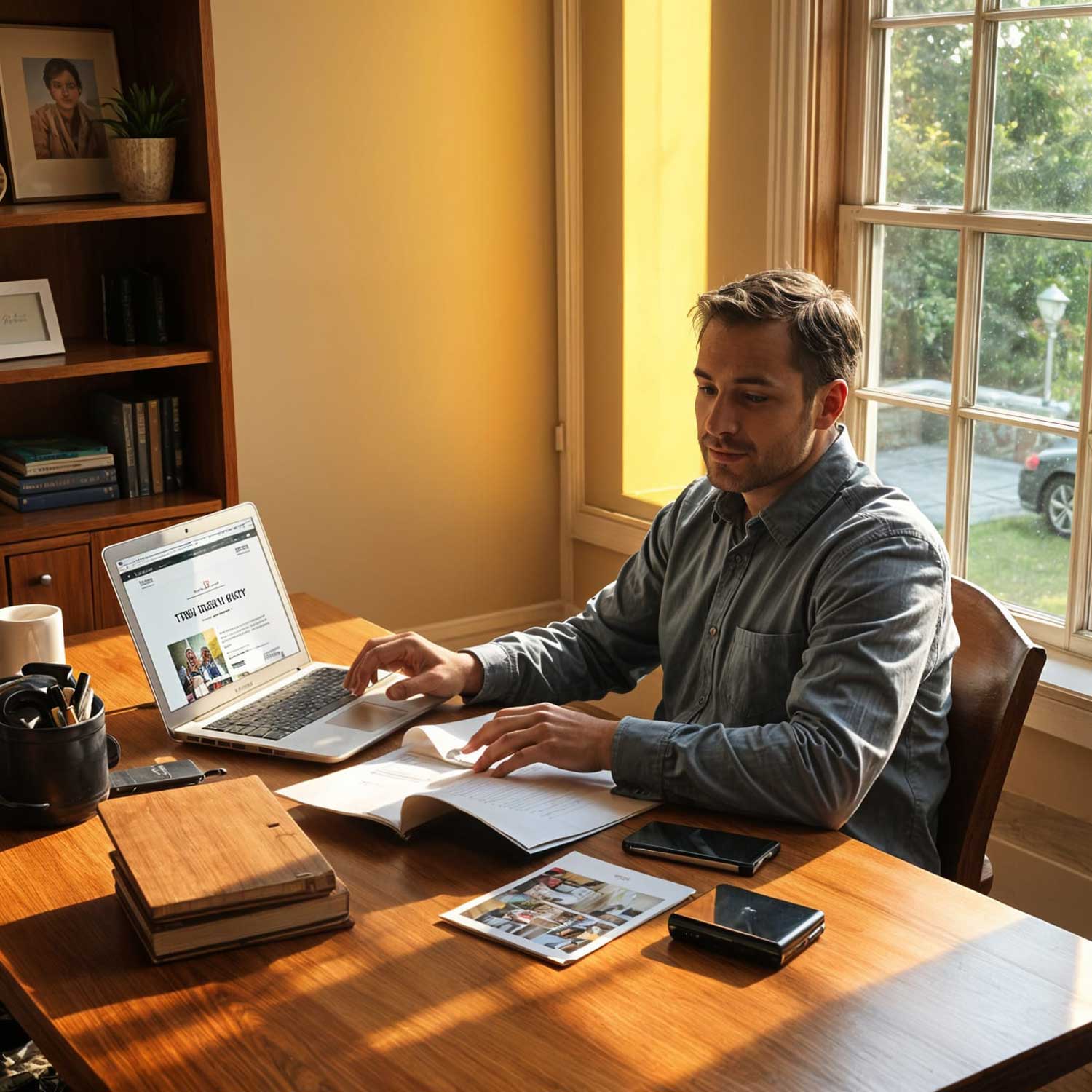
Social media and websites often get talked about as rival options, and that framing is where many small businesses go wrong. Each one has a different job, so the useful question is what each does best and how much of your limited time deserves to go where.
What Social Media Does Well
Social platforms are where people already spend their days. There were around 36.3 million Facebook users and 28.7 million Instagram users in Spain in May 2026, so your customers are almost certainly scrolling somewhere. Social media is a good way to show the human side of your business and to reach people who were not looking for you. A photo of a full terrace or a finished project can bring a message in within minutes, and that immediacy is hard to match.
Where Social Media Falls Short
The catch is how few people see what you post. Buffer's analysis of 52 million Facebook posts found that the median post reaches 365 people, and for pages with under 1,000 followers the median is 21. Published benchmarks vary between sources, but they all point the same way: organic reach has shrunk, and the organic channel has become a branding channel rather than an acquisition channel.
There is also the matter of ownership. Your social profiles sit on land belonging to someone else. An algorithm change, a suspended account or a platform that falls out of fashion can wipe out years of effort overnight. Posts also age quickly. A post that took an hour to write is buried within days, and hardly anyone scrolls back through a feed to find it.
What Your Website Does Well
Your website is the one place online that belongs entirely to you. When someone in Jávea searches for a plumber or a bakery, Google sends them to a website, and a well-built page can keep bringing in enquiries for years after you publish it. It can take bookings while you sleep, answer the questions you get asked every week and sell products around the clock. It also gives customers somewhere to check that you are a real, established business before they get in touch. Our article on getting found online on the Costa Blanca covers how local search fits into this.
So Where Should You Focus?
For most small businesses, the website comes first. It is the foundation that everything else points to, and social media works best when it sends people there. A busy Facebook page with no website behind it means your customers can find you only as long as the platform allows.
There are exceptions worth acknowledging. A hairdresser, a café or a photographer may find that Instagram brings in more new customers than search ever will. Even so, those customers still want opening hours, prices and a way to book, and a website is the tidiest place to keep all of that.
A Practical Way to Split Your Time
Get the website into good shape before you worry about posting daily. Once it loads quickly, works well on a phone and says clearly what you do and where, a modest, regular slot for social media each week will do more than sporadic bursts of activity.
A few habits make that time go further:
- Pick the one or two platforms where your customers spend time, and leave the rest alone.
- Link back to a specific page on your website from your posts, so a click leads somewhere useful.
- Turn your blog articles into posts, which saves you writing everything twice.
- Keep your look and tone the same everywhere, as we explain in The Power of Consistent Branding Across Platforms.
Bringing It Together
Social media brings people to the door, and your website is the room they walk into. Putting your main effort into the website gives every post, advert and recommendation a proper place to land. If you would like a hand with either, we would be glad to hear from you through the Klickhere contact page.